

Ever caught yourself binge-watching Netflix instead of dealing with a tough conversation? Or maybe you get “really into cleaning” whenever something emotional bubbles up? Congratulations, you might be an emotional avoider—like most of us, at some point.
Emotional avoidance is one of those sneaky habits that feels helpful in the moment but creates chaos in the long run. And the solution? It’s not just to “feel your feelings” (although, yes, that too). It’s about learning to process emotions adaptively—in ways that support growth, clarity, and actual healing.
Let’s unpack why we dodge emotions in the first place, what it costs us, and how to start facing those feelings without falling apart.
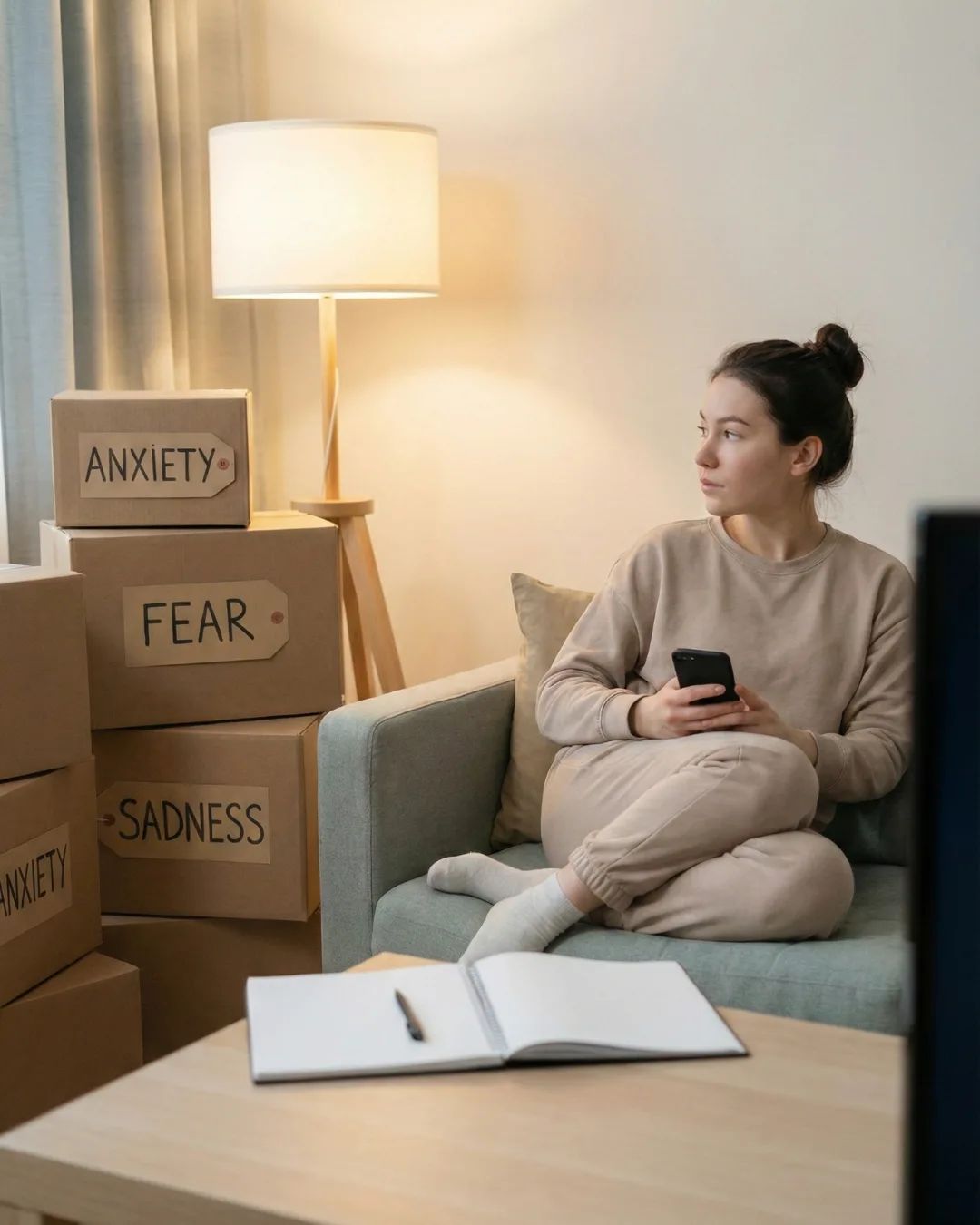
What Is Emotional Avoidance, Anyway?
Emotional avoidance is exactly what it sounds like: dodging uncomfortable feelings instead of dealing with them. That might look like:
- Scrolling endlessly on social media
- Numbing with food, alcohol, or shopping
- Getting overly busy or focused on work
- Intellectualizing emotions instead of experiencing them
- Telling yourself, “I’m fine” when you’re clearly not
While these tactics offer temporary relief, they block emotional processing. Think of emotions like packages your brain sends to your body: each one carries a message. When we refuse to open them, they pile up, get heavier, and eventually explode out sideways.
Why Do We Avoid Emotions?
- Fear of pain – We assume feeling sadness, anger, or fear will overwhelm us.
- Learned behaviour – Many of us grew up in homes where emotions weren’t welcomed or were even punished.
- Social messaging – Society often rewards stoicism and “keeping it together,” even at a high emotional cost.
- Lack of tools – Most people were never taught how to process emotions in a healthy way.
Avoidance is a coping mechanism. It keeps us safe—or at least, it tries to. But it doesn’t resolve anything. It just delays the inevitable.
The Problem with Avoiding Emotions
Pushing feelings down might work short-term, but long-term effects include:
- Anxiety and depression
- Chronic stress and physical health issues
- Difficulty forming close relationships
- Emotional numbness (not just to bad stuff, but good stuff too)
Avoidance is like putting duct tape over a warning light on your dashboard. It doesn’t fix the problem; it hides it—until things break down.
Enter: Adaptive Processing
Adaptive processing is the psychological equivalent of cleaning out your emotional inbox. Instead of ignoring your feelings, you engage with them in ways that promote healing, insight, and resilience.
Here’s what adaptive processing is not:
- Venting endlessly on repeat
- Getting stuck in rumination
- Forcing yourself to “move on”
Here’s what it is:
- Allowing yourself to feel your emotions without judgment
- Reflecting on what those feelings are trying to tell you
- Responding to emotions with curiosity and compassion

How to Start Processing Emotions Adaptively
- Pause and Notice
When you feel a wave of discomfort, pause. Instead of reacting or distracting, just notice: “I’m feeling anxious right now.” - Name the Emotion
Labelling what you’re feeling helps the brain regulate it. Is it sadness? Guilt? Fear? Annoyance? - Ask What It’s About
What triggered this feeling? What story are you telling yourself? Emotions are data, not directives. - Feel It Physically
Where is it in your body? A tight chest? A sinking stomach? Sit with it. Breathe through it. This helps it move. - Respond, Don’t React
You don’t have to act on every emotion, but you can respond mindfully. Maybe that means journalling, calling a friend, or setting a boundary. - Get Support If certain emotions feel too big or overwhelming, that’s okay. Therapy, support groups, or even trusted friends can make a big difference.
You Don’t Have to Be an Emotion Whisperer
Adaptive processing isn’t about becoming perfectly in tune with your inner world 24/7. It’s about creating space for emotions instead of running from them. It’s about building emotional agility—the ability to face, feel, and move through your feelings without getting stuck or swept away.
And yes, you’re allowed to binge-watch a little Netflix too. The goal isn’t perfection. It’s progress.
Final Thoughts: Don’t Let Avoidance Steal Your Life
The feelings we avoid don’t disappear—they just wait for us in the dark corners of our mind. The more we face them, the less power they have over us.
Emotions are not your enemy. They’re your internal GPS. Learn to listen, and they’ll lead you to growth, peace, and maybe even joy.
So the next time you feel something uncomfortable rising up, pause. Breathe. And remind yourself: I can handle this. One feeling at a time.
Share this post
Previous Post