

Life is full of choices, and often the easiest option feels like the safest one. But personal growth, confidence, and meaningful change rarely come from staying comfortable. The idea of taking “the road less travelled” speaks to choosing a path that aligns with your values, goals, and authentic self — even when it feels uncertain or difficult.
Whether it’s pursuing a new career, prioritizing your mental health, starting counselling, leaving an unhealthy relationship, or making changes that others may not understand, choosing a different path can feel overwhelming. Yet these decisions are often the ones that lead to the greatest personal transformation.
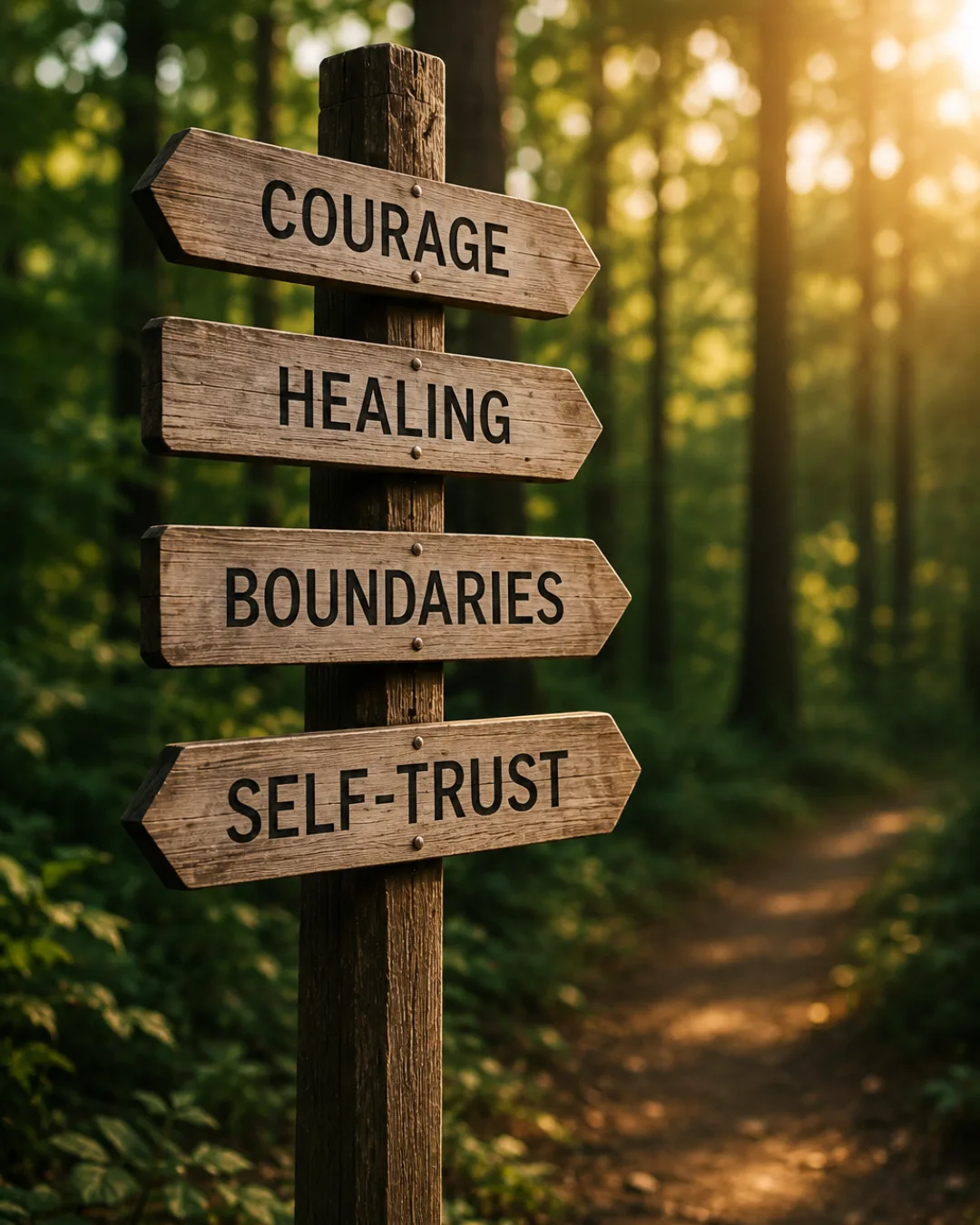
What Does “The Road Less Travelled” Mean?
Taking the road less travelled means making choices based on what feels right for you, rather than simply following expectations, social pressure, or the path that feels easiest.
This could look like:
- Starting therapy or prioritizing mental health support
- Changing careers or pursuing a passion
- Setting boundaries in unhealthy relationships
- Choosing healing and personal growth over staying stuck in familiar patterns
- Learning to slow down instead of constantly pushing yourself
The road less travelled is not about being different for the sake of it. It’s about living in alignment with your values, emotional well-being, and long-term fulfillment.

Why Taking a Different Path Feels So Difficult
Choosing a new or unfamiliar direction can bring uncertainty and fear. As humans, we naturally seek safety, predictability, and connection with others. Stepping outside of what feels familiar can trigger anxiety, self-doubt, or fear of judgment.
Some common challenges people experience when taking the harder path include:
- Fear of failure or making the wrong decision
- Worry about disappointing others
- Feeling isolated or misunderstood
- Lack of clear direction or certainty
- Emotional discomfort that comes with change and growth
Often, personal growth requires stepping outside of comfort zones. While that process can feel uncomfortable, it can also create space for healing, resilience, and self-discovery.
The Mental Health Benefits of Choosing an Authentic Path
Although the road less travelled may be more challenging, it often leads to deeper emotional well-being and a stronger sense of self.
Personal Growth and Resilience
Facing challenges helps build confidence, emotional resilience, and self-awareness. Each difficult step can strengthen your ability to trust yourself and navigate future obstacles.
Greater Authenticity
When your choices align with your values and needs, life often feels more meaningful and fulfilling. Authentic living can reduce internal conflict, stress, and feelings of disconnection.
Increased Confidence
Making difficult decisions and following through on them can increase self-trust and confidence in your ability to handle uncertainty.
Stronger Emotional Well-Being
Living according to your own values — rather than constantly meeting others’ expectations — can improve mental health, reduce burnout, and create a greater sense of balance.
Inspiring Others

Choosing growth, healing, or change can encourage others to do the same. Often, vulnerability and courage create meaningful connection and community.
Growth Often Happens Outside of Comfort Zones
Healing, change, and personal development are rarely linear. There may be setbacks, uncertainty, or moments where progress feels slow. But choosing yourself, your mental health, and your long-term well-being is never wasted effort.
Sometimes the most meaningful paths are the ones that require courage.
Final Thoughts
The road less travelled is not always easy, but it is often where the greatest growth happens. Whether you are starting therapy, setting boundaries, making a life change, or learning to prioritize your well-being, every step forward matters.
You do not have to have everything figured out to begin.
Sometimes choosing yourself is the bravest path you can take.
Share this post
Previous Post